
- IoT connectivity platforms pulled in serious venture funding in 2025. You cannot run intelligent systems on unreliable networks, and almost nobody talks about the layer that fixes that.
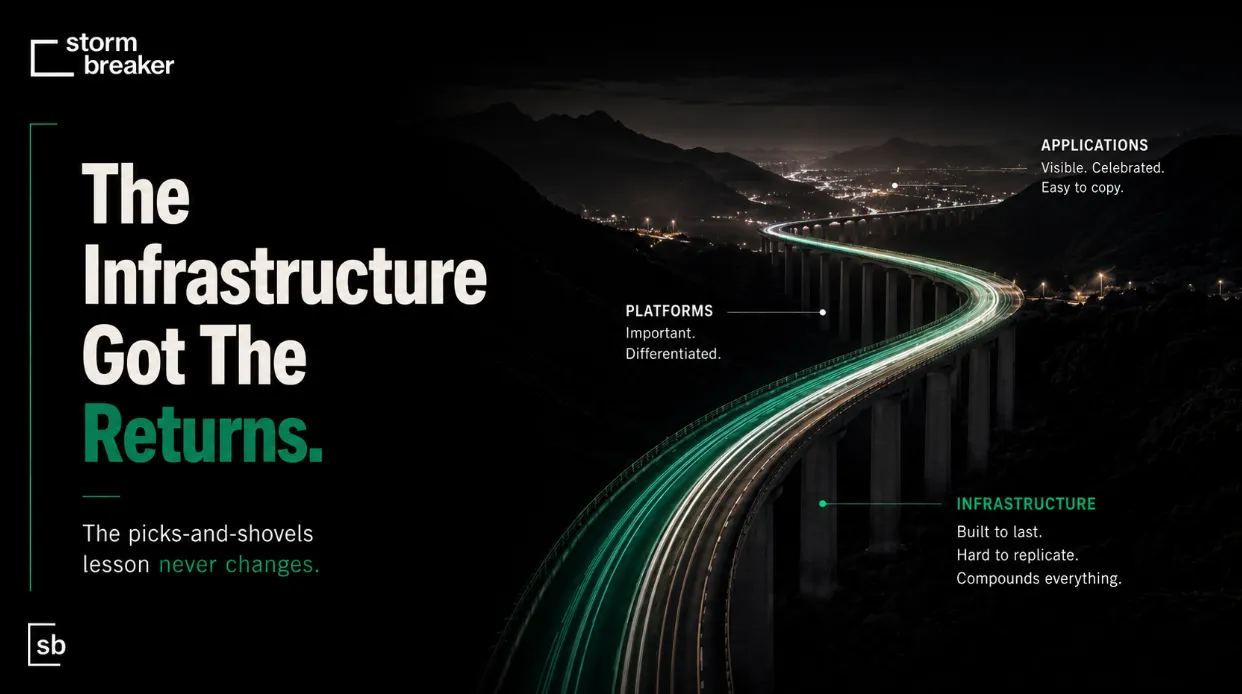
- The picks-and-shovels bet tends to age better than the headline bet. During the cloud wave, the infrastructure got the returns while the applications got the keynotes.
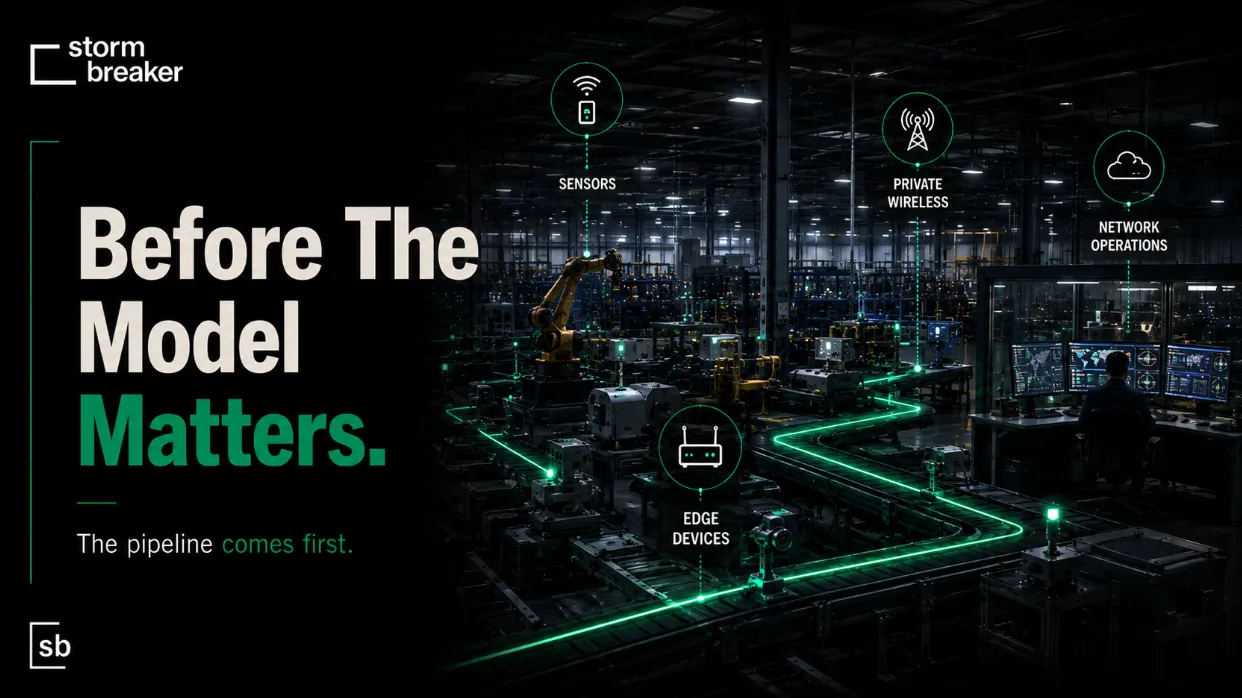
- Every AI deployment in a physical environment eventually hits the same wall: the data pipeline connecting the real world to the model. The pipeline has to exist before the model matters.
Everyone is watching AI. The more interesting capital is quietly moving into the layer underneath it.
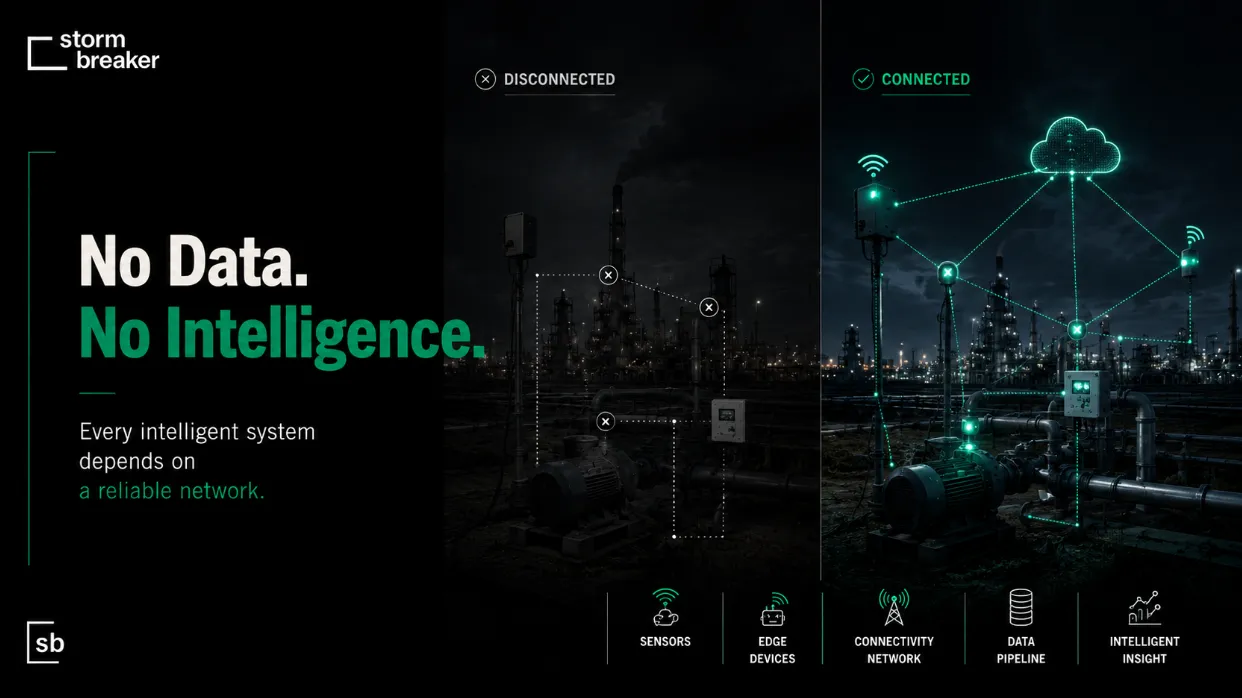
IoT connectivity platforms pulled in serious venture funding in 2025, and the thesis is not complicated. You cannot run intelligent systems on unreliable networks. Before the AI application layer does anything useful, something has to connect the sensors, the edge devices, and the industrial equipment that generate the data in the first place. That something costs real money to build, and almost nobody talks about it.
The Picks-and-Shovels Pattern
The pattern will be familiar to anyone who has watched a few technology cycles. The picks-and-shovels bet tends to age better than the headline bet. During the cloud wave, the companies that built networking and storage infrastructure quietly became worth more than most of the applications running on top of them. The applications got the keynotes. The infrastructure got the returns.
IoT connectivity is playing that role now, and the demand is showing up in markets that rarely make the news. Industrial automation needs real-time data pipelines that do not drop packets, because a dropped packet on a production line is not a glitch, it is downtime. Smart city deployments require connectivity that scales across thousands of endpoints without a linear increase in cost or complexity. Healthcare monitoring depends on networks with near-zero latency and a compliance posture that consumer-grade infrastructure cannot offer. Energy grid modernization runs on sensor data that has to be reliable before it can be useful.
None of this is glamorous. There are no demo videos going viral. The TAM slides do not make great conference keynotes.
Structural, Not Cyclical
But the capital is moving there because the demand is structural rather than cyclical. Every AI deployment in a physical environment eventually hits the same wall: the data pipeline connecting the real world to the model. The model can be state of the art. If the pipeline is unreliable, the deployment fails, and it fails in ways that no amount of work at the application layer can fix.
The pipeline has to exist before the model matters.
This is the part of the stack where we spend our time, and it shapes how we evaluate everything. When we look at a company, the first question is rarely about the intelligence on top. It is about what the system stands on. Who connects it, what guarantees the connection, and what happens to the business when that layer becomes scarce.
Boring infrastructure has a long history of becoming very valuable infrastructure. We do not expect this cycle to be the exception.
Building in the Connected Ecosystem? We find them early. We help them win.
Get in Touch→Perspectives from the connected ecosystem, in your inbox.
Occasional field notes on AI-native connectivity, edge compute, and the infrastructure layer we invest in. No noise.