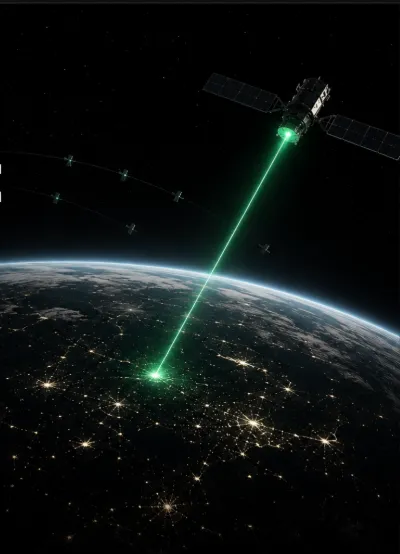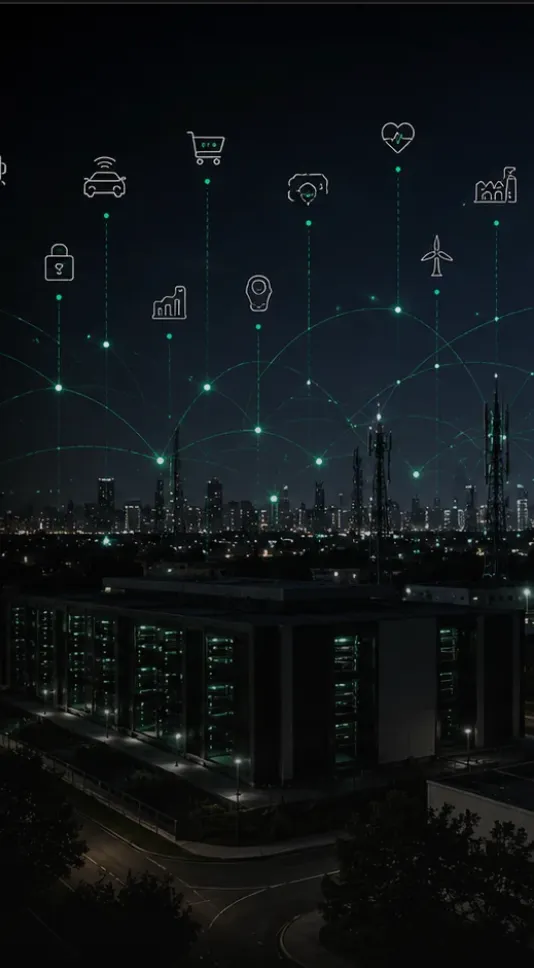

For years, my job was advising the companies that already own the infrastructure the AI economy now runs on.
I sat in rooms where the largest telecom deals got done. Spectrum portfolios. Network architecture. Semiconductor supply chains. I saw how the industry actually worked, who held which assets, and what it cost to build the things everyone else takes for granted.
And the same thing kept happening.
The incumbents understood the AI shift. Many of them could describe it better than the investors chasing it. They saw, earlier than most, that a machine-driven economy would demand a different kind of network: denser, lower latency, built for devices that never sleep and never stop transmitting. But between capital cycles, M&A timelines, and the incentives baked into running a public company, they could not move fast enough. A carrier with a dividend to protect and a network to depreciate does not get to start over.
I kept waiting for someone to fund the founders who would build that next layer. The connectivity fabric, the edge compute architecture, the AI-native infrastructure that intelligent systems actually require. The capital flowing into AI was chasing models and applications, and the physical layer underneath was treated as someone else's problem. Eventually I realized that the person I was waiting for was me.
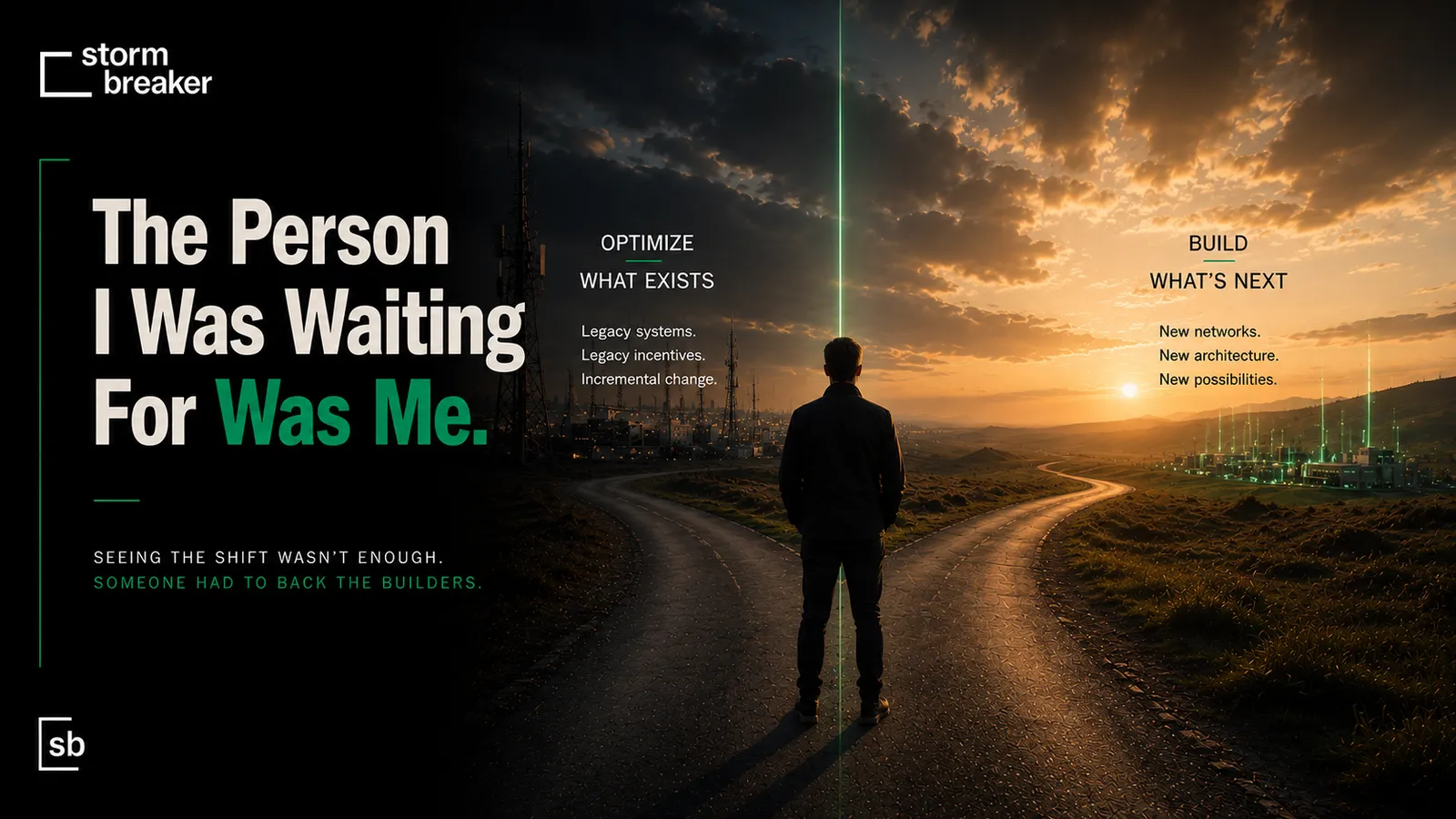
So I stopped advising on the transformation and started funding it.
Building it with people who have lived it
That was the founding decision behind Stormbreaker Ventures. The second decision mattered just as much: who to build it with. A thesis about infrastructure is only as good as the people who have actually carried one to scale. So I assembled a team that has lived this industry at the highest level. Glenn Lurie ran AT&T Mobility. Derek Aberle was President of Qualcomm. Wade Oosterman founded Clearnet, which became a $6.6 billion outcome, and went on to add tens of billions in market cap at Bell.
We did not read about this infrastructure. We built it, financed it, and sold it.
Now we back the founders rebuilding it for machines instead of people. Pre-seed and seed, at the intersection of AI, physical infrastructure, and connectivity. The work is early, technical, and mostly invisible until it suddenly is not. That is the part of the cycle where we believe conviction is worth the most.
This site is where we will think out loud about it.
Building in the Connected Ecosystem? We find them early. We help them win.
Get in Touch→Perspectives from the connected ecosystem, in your inbox.
Occasional field notes on AI-native connectivity, edge compute, and the infrastructure layer we invest in. No noise.